Author: claire lardizabal moser

  • Waste Not, Want Not

    Waste Not, Want Not

    We all love those prized Palisade peaches that are so easily devoured, crate after crate, at the end of summer every year. But did you know that one out of four peaches doesn’t even make it out of the orchard? Or that after 253 miles of transporting them to Boulder County (about 10 gallons of gas per truck, round-trip), there’s no guarantee that any particular peach will even hit the shelf before it’s discarded to make room for the next day’s shipment? If the peach bruises or over-ripens in your kitchen, do you know what your options are, besides (God forbid) the trash?

    Thankfully, Boulder is home to a slew of proactive efforts dedicated to save foods like the very peaches we love (and tons of other produce) to create an overall better environment and community for future generations. Jamie Harkins, sustainability coordinator for the City of Boulder, says decreasing food waste is increasing in priority for the local government. By updating the City’s Climate Commitment and Action Plan, continuing educational projects and expanding the Food Waste Awareness Week program this September, things are looking bright on Boulder’s food waste reduction horizon.

    But locals are also leading the charge: Here are three Boulder County organizations and businesses helping the City reach its zero waste goals.

    Boulder Food Rescue

    In 2011, Hayden Dansky kick-started a food recovery program named Boulder Food Rescue, which bridges the gap between problems in Boulder’s food infrastructure and food insecurity. “There’s food waste on all levels,” Dansky says — the farm, transportation sectors, distribution systems, grocery stores and, ultimately, consumers, who contribute 60 percent of overall food wasted, according to the 2016 City of Boulder Food Waste Audit. Dansky, who is the program’s executive director, endorses the EPA’s Food Recovery Hierarchy, which pinpoints “source reduction” and “feed hungry people” as the top two prerogatives when it comes to managing a more sustainable food system. After finding out that 40 percent of food produced ends up in a landfill, Dansky began to reach out to grocery stores and restaurants to see if businesses would donate any excess produce. Grocery stores such as Sprouts, Lucky’s and Whole Foods now participate in the program, resulting in 1,200 pounds of produce that’s redistributed to low-income communities every day. These businesses benefit by reducing trash collector fees and receiving an incentivized federal tax credit, and the community benefits from the nourishment.

    Looking ahead, Boulder Food Rescue plans to create a more engaging environment for the people they serve by sharing the community’s stories about food insecurity. They also plan to continue educating businesses about food donation policies and working with the City of Boulder to develop strategies to reduce even more local food waste.

    Eco-Cycle

    In the summer of 2015, the City of Boulder, along with the green minds behind Eco-Cycle, passed the Universal Zero Waste Ordinance that requires all restaurants, businesses and schools to reduce waste by recycling and composting. Eco-Cycle has been in the pro-environmental game since 1976 — when founders Roy Young and Pete Grogan started to collect recyclables on an old school bus — and the organization has helped create recycling facilities and conduct research programs for Boulder County ever since. Nowadays, Eco-Cycle focuses on educating the community about composting and how they can dispose of organic waste both curbside and in their own backyards. 

    Communications Director Harlin Savage says businesses have many questions and obstacles to address when first learning about the logistics of composting, such as space constraints, but the long-term benefits to composting have sparked interest in working beyond these hurdles. Composted soil adds nutrients to the land, it’s more resistant to erosion and grows plentiful produce. “By diverting waste, it prevents methane gas’ heat trapping power,” Savage adds, a toxic emission that is many times more powerful than carbon dioxide. 

    In the next 11 years, Eco-Cycle envisions Boulder achieving their zero-waste milestone and continuing intensive compost research within the county.

    The Stone Cup

    The Town of Lyons has committed to becoming a zero-waste community and The Stone Cup’s owner Mindy Tallent is fully on board. While it’s a costly practice for the restaurant and a continual process of educating customers, Tallent says it’s worth it because the country’s astronomical food waste needs to be addressed. Within her shop, Tallent uses ceramic ware and stainless steel silverware for dine-in guests and compostable to-go containers. Customers are encouraged to bring in their own mugs. She also use an in-house composting and recycling program through Eco-Cycle.

    The Stone Cup hopes the current government will address climate change and pass legislation that causes change in manufacturing, production and purchasing so it will be more affordable to be environmentally responsible. “Our hope is that folks become more educated about how our environment is impacted by our decisions and actions,” Tallent says. “As business owners, we will continue to do what we can in educating [others] and leading by example.” 

    Written for Boulder Weekly. Original article here.

  • Fast Fashion: An Inside Look on Sweatshop Labor

    Fast Fashion: An Inside Look on Sweatshop Labor

    Photo courtesy of Tiffany Ramsdell of the Daniels Fund Ethics Initiative at the CU Denver Business School.

    Last Tuesday, I went to the CU Denver Business School to attend a discussion about fast fashion and sweatshop labor. Our panelists were Benjamin Powell, an economics professor at Texas Tech and author of “Out of Poverty: Sweatshops in the Global Economy,” and Joris Oldenziel, a Fire and Building Safety director of the Accord in Bangladesh. The conversation spurred some disagreements, but in the end is all about improving the conditions for sweatshop workers.

    What is a sweatshop? By definition, it’s an industrial textile factory that:

    • pays workers low wages for long unpredictable hours
    • mistreats their workers (verbal abuse)
    • has unhealthy or oppressive work environments (no meal or bathroom breaks)
    • violates the few labor laws the country has

    On top of this list is the physical impact of unregulated factory practices. Joris says in Bangladesh, the second largest producer of garments in the world, there is a lax building code and factories would build up, constructing a floor on top of an existing floor, to make more room for workers. Factories would also knock foundation walls out to expand their space, more or less resulting in a death trap for these workers.

    In 2013, the workers in Rana Plaza refused to enter because they felt the building was unsound. However they were forced to re-enter or else lose their jobs. In the end, 1100 people died, many more were injured. Among the rubble, the garments that were pulled out seemed very familiar: Walmart, H&M, Calvin Klein, to name a few. Other factory incidents were documented at Spectrum, Garib + Garib, That’s It, and Tazreen in Bangladesh.

    In response, The Accord was created on May 15, 2013. The Accord is a legally binding agreement to hold brands, retailers, unions, and factories all accountable to prevent accidents like this in the future. It requires safety inspections of at least 1600 factories in Bangladesh, conducts reports for transparency purposes, works with brands to make sure changes are financially feasible, and allows workers to refuse to work. There are 200 brands involved, such as United Colors of Benetton, PVH, Target, American Eagle, and NGOs. Fifty percent of the brands involved manufacture RMGs (ready made garments that consumers buy).  

    Joris says the fire and electrical factory inspections have greatly reduced the number of factory incidents. Some problems within the factories were wall and foundation cracks, blocked exits and aisles (which was the reason for the Tazreen collapse), electrical wiring, no management of garment weight, and collapsible gates. The Accord has also implemented informational employee meetings with booklets in their language on safety and details about the Accord. Since 2013, Joris says there’s been 2,000 factory inspections, 25,000 follow-ups, 150,000 hazards eliminated, and 91 percent of remediation.

    The Accord would like to transition its role to the government, but there are conflicts of interest as the government of Bangladesh is against it. (Their government officials are also factory owners… imagine that.) Joris says they appealed to court earlier this month (February 18), so there is more to follow on the Accord in the future.

    Ben Powell of Texas Tech provided a logical voice to the conversation and brought up how to improve the condition of sweatshops: through wage determination and total compensation. If these factories are indeed improving working conditions, which would be a more attractive option for workers, competing businesses who aren’t in The Accord could easily take workers with a higher wage.

    “Don’t jeopardize the least bad alternative in comparison to other options,” says Ben. “You have to give them more or better work options or it will push them into worse alternatives.” Bangladesh, overall, will have to create high standards for work environments, better wages, and more developed labor laws that will prevent garment workers from leaving their job for the next “not as bad” opportunity.

    Joris added that brands have to be held accountable as well, not just the government or factories, and have the responsibility to make sure that it is a standard to regulate these factories.

    The discussion was so eye-opening to me as our business is constantly learning about how to be a sustainable fashion collective. As much as I am for USA-made apparel, I do fully support the ethical decisions being made to create safer work environments and better wages for factories overseas. There is a market and high demand for ethically created clothing. I think about the workers, people who are just trying to make a living and support a family, who work so hard just so we can wear the hottest new fashion styles. They deserve to go to work without fearing for their lives. I hope by educating my audience about all the nuances of fast fashion, we can all be more conscious consumers in the future.

  • A Growing List of Ways to Be Sustainable

    A Growing List of Ways to Be Sustainable

    1. Shop from local businesses. It reduces carbon emissions from transportation used and it funnels money into the immediate economy.

    2. Make friends with a farmer. Buy local meat and produce.

    3. Swap out your fake fabrics for breathable ones such as cotton, linen, or bamboo. You are literally wearing plastic on your skin.

    4. Decrease your intake of red meat to every other day to eventually once in awhile. High amounts of beef and pork lead to cancer, heart disease, and diabetes.

    5. Turn your damn lights and water off when you’re not using it.

    6. Before throwing something away, give it new life by reselling, repurposing, or donating it.

    7. Recycle all plastic* and paper. (Not all plastic is recyclable. Check the package and wash it before tossing in the bin.)

    8. Stop using straws!!!

    9. Buy yourself a fancy water bottle.

    10. The fast fashion industry must be stopped: don’t buy cheap clothes that wear out quickly and invest in quality USA made fashion.

  • Skip the Shower with Zola Oil Company

    Skip the Shower with Zola Oil Company

    Photo courtesy of Brit Cole

    Dry skin. Sunburnt noses. Itchy scalps. It’s the less glamorous side of living in a state as arid as Colorado. We already know that washing your hair every day is bad for you, but choosing in-between-wash products is often a mysterious shopping process. How hard is it to find a dry shampoo that’s made of ingredients that we can understand?

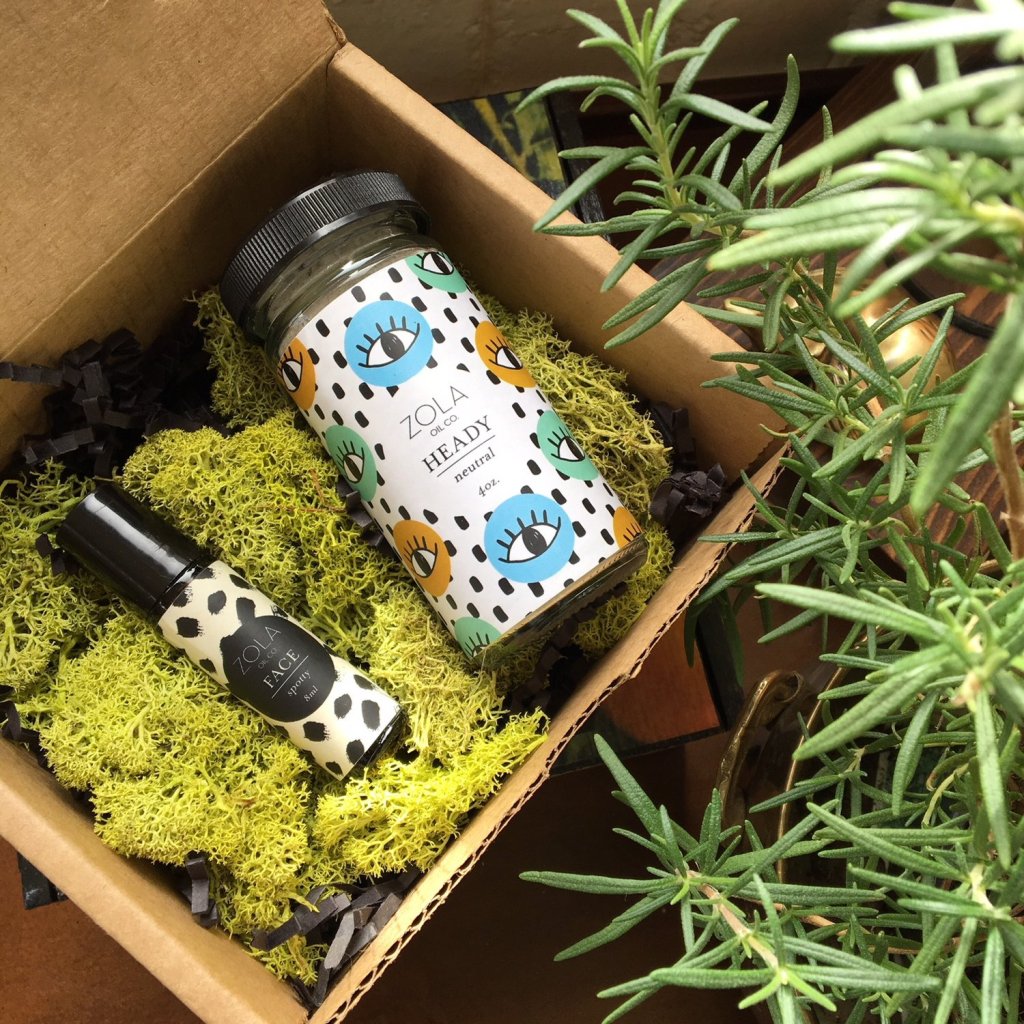
    One day, I was perusing the Denver Fashion Truck storefront in Sunnyside and found a little bottle of dry shampoo by Zola Oil Co. that checked my list: a chemical-free ingredient list, striking packaging, and made by a local business. I also loved that it was a powder, which soaks, rather than alcohol-based, which dries your locks even more. Leña Leyva, Zola’s founder, says she was tired of washing her hair every day but couldn’t find any dry shampoos in the market that worked nor catered to people of color’s hair types. That’s when she took it in her own hands to create her own.

    Photo courtesy of Nigel Penhale

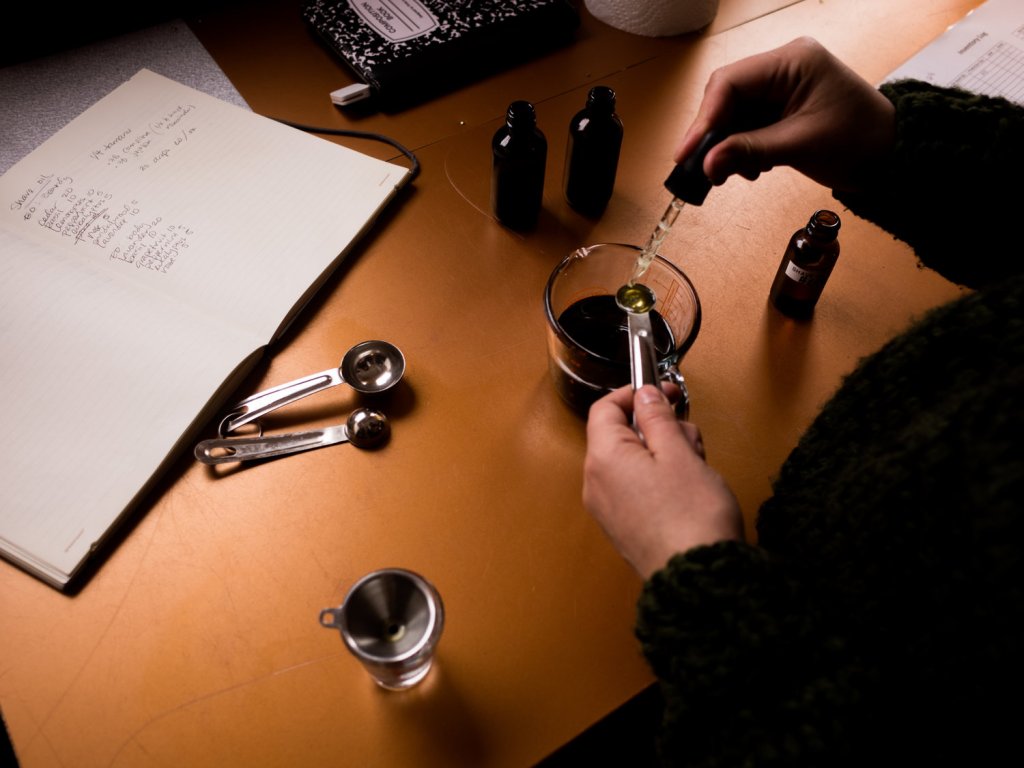
    With the help of her family and friends (a nurse practitioner mother with a holistic background and a geneticist cousin whose colleague just happened to be studying the microbiome of the armpit), Leña was able to successfully test-run her own batches of dry shampoo and deodorant and launched Zola Oil Co.’s online storefront in January 2017. Her mantra, “Save the Flora,” refers to keeping everyone’s unique natural microbiome healthy since it’s often disrupted by over-washing and stripping the body of its good-for-you bacteria. She says her products are made of gentle enough ingredients that work with, not remove, the flora. 

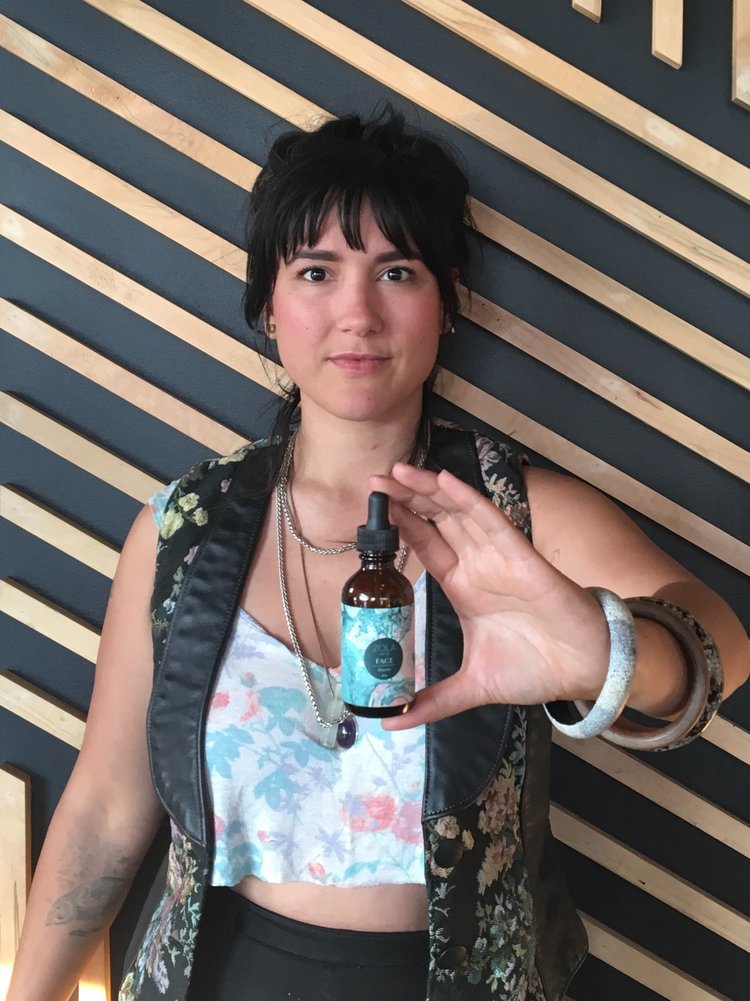
    Zola Oil Co. business owner Leña Leyva wanted to make beauty products with natural ingredients that you could use in between washes without disrupting your body’s local flora. Photo courtesy of Brit Cole

    Leña has rolled out more products in the past couple of years such as facial oils, beard care, and feminine deodorant, and hopes it will start more conversations about each other’s bodies and personal hygiene. Zola is definitely a beauty goal that we all can get behind.

    Zola Oil Co. can be found online or at any of these Front Range storefronts

  • Head to RiNo’s MAM Couture Boutique

    Head to RiNo’s MAM Couture Boutique

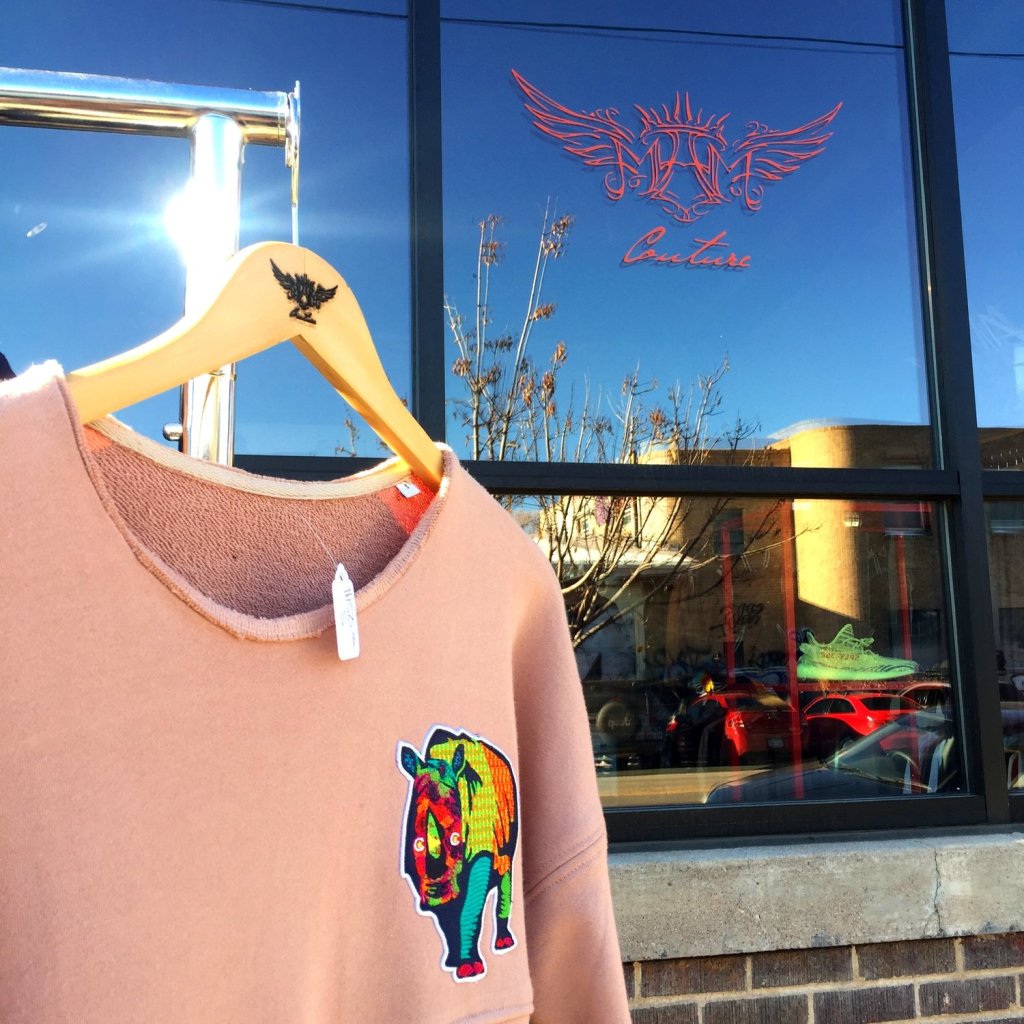
    The colorful rhino insignia represents the RiNo (River North) Art District, one of Denver’s fastest growing neighborhoods.

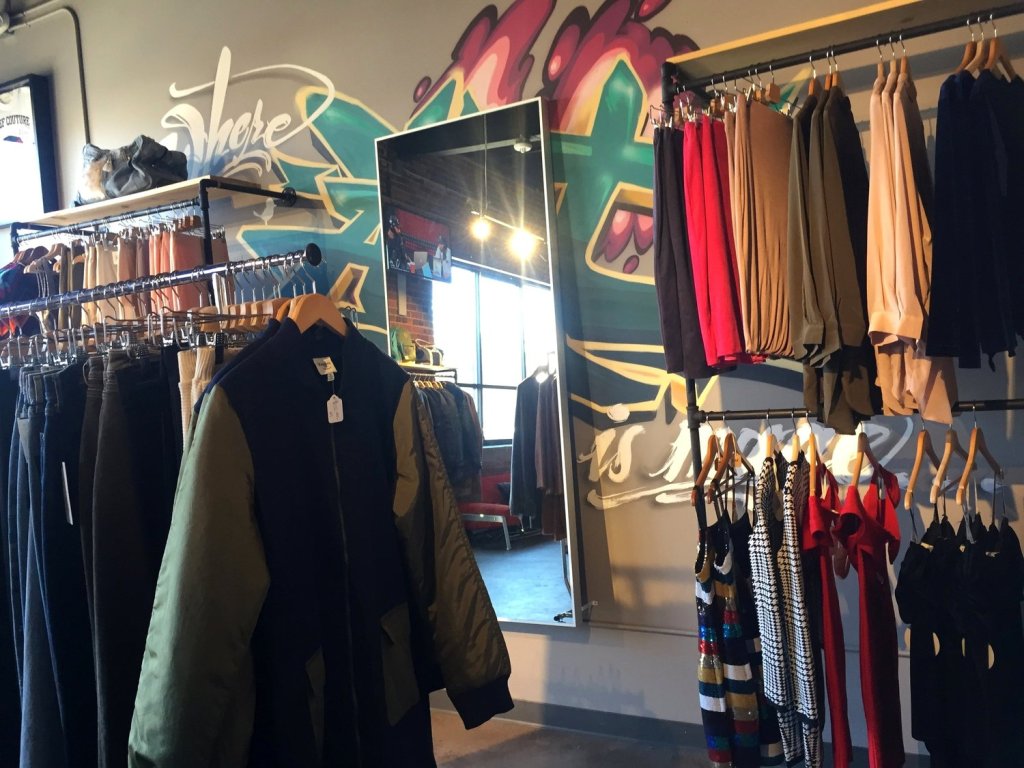
    MAM (MakeAMill) Couture Boutique has been around Denver since 2000, so it’s no surprise that they have a cult following from professional athletes to entertainers as well as local and visiting clientele. Owner Rashad Randolph, backed by his business partner, Delgie Jones, and brothers, Brandon and Kyl, started MakeAMill in his mom’s garage by printing and selling Supreme and Tall t-shirts (circa the time rappers wore long t-shirts to layer under jerseys, velour jumpsuits, and, ahem, the infamous sagging jeans trend). In 2017, Rashad opened up his first brick-and-mortar, MAM Couture Boutique, by the University of Denver where college students frequently visited the shop. However, when school wasn’t in session, business fell short and he knew that MAM Couture had to move. This past March, Rashad was in luck and landed a lease at the former RiNo Art District headquarters on Blake Street and now neighbors a marketing mogul and furniture company.

    The art mural that decorates the boutique’s left inside wall was leftover from the time the main office of the RiNo Art District occupied the space.

    Don’t let the constant construction and pretentiousness of RiNo stall you from coming. You aren’t going to find threadbare bohemian dresses or Patagonia outerwear here. Instead, Rashad provides affordable options for male and female shoppers who are looking for an urban-meets-Colorado streetwear boutique. Rashad says he’s inspired by designers such as Ronnie Fieg (owner of Kith in New York City) and knows his customers appreciates trends, fabrics, and details you wouldn’t find anywhere else. If you find something you like, you better grab it fast — to keep items exclusive, Rashad only sells a limited selection of each item (one in each size). A few new lines in the works for MAM Couture are “Yes MAM,” curated by Rashad’s partner, Angel, and “Chief Couture,” which will focus on high-end couture clothing. If you’re searching for a boutique that genuinely captures Denver’s urban spirit, look no further than MAM Couture.    

    Address: 2901 Blake St., Suite 165
    Phone: 303-472-7937
    Hours: Tues.-Sat. 11 a.m.-8 p.m., Sun. noon-6 p.m.