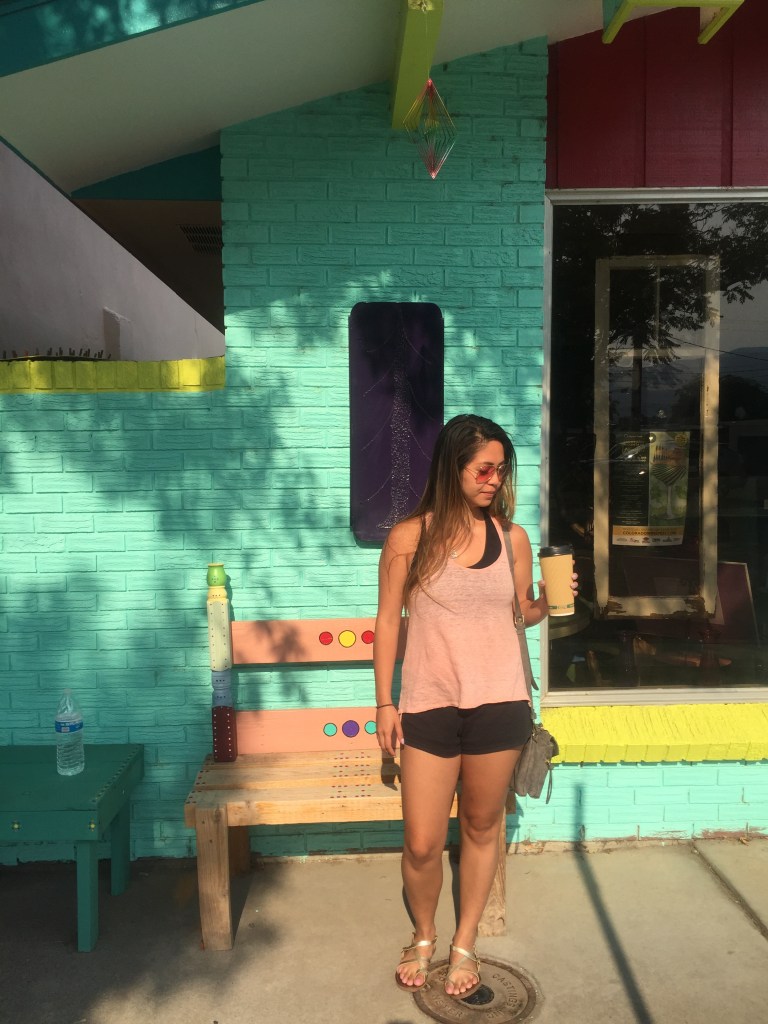
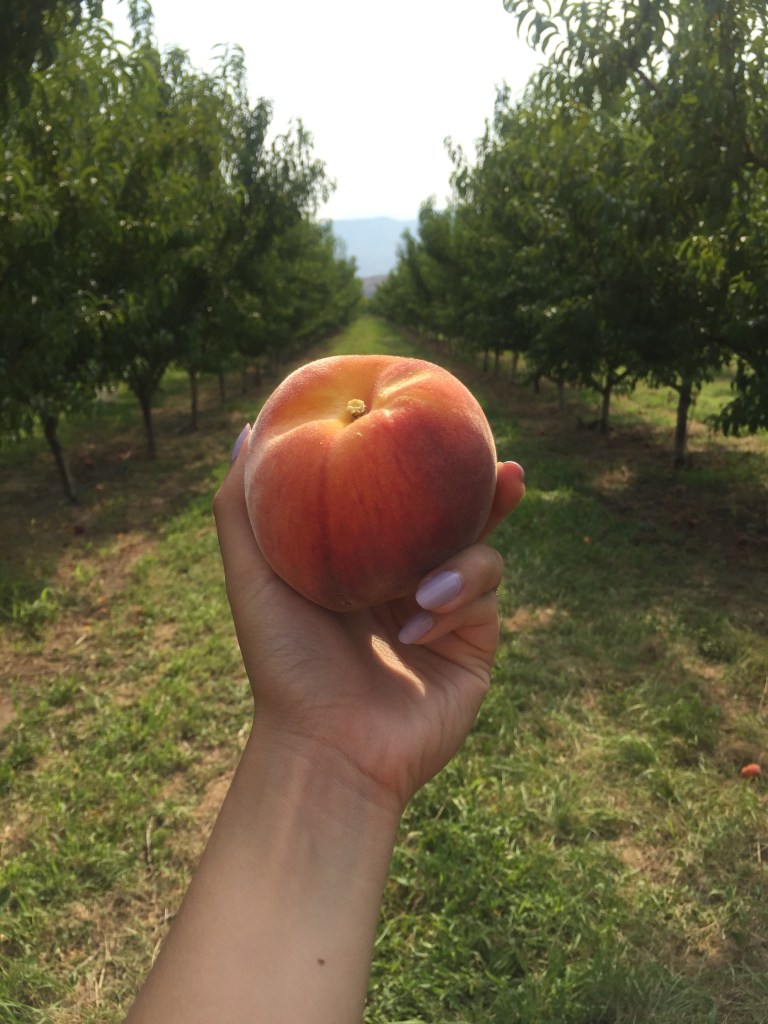
This was my second pilgrimage to the Western Slope. It’s a quiet agricultural haven that reminds me of Missouri. We picked peaches and drank wine in Palisade, visited old friends in Paonia, soaked in unmarked hot springs on the way back to the Denver. Never leaving.
one thing I cannot believe people have NOT talked about yet is the impact of music videos on our youth, especially young black children. we’ve been warned in the past about how too much MTV is bad for you, but what exactly are music videos doing to children? in Childish Gambino’s “This is America” music video, we watch a stream of recurring problems for African Americans (which we are sadly desensitized to at this point), but I feel like the biggest one has flown right above everybody’s head.
there’s a reason he chose black school children in uniforms as his dancers. if they were in any other dress, we would forget that these kids are only in school. imagine being a young black child after school, scrolling through the channels. all he or she sees is a sea of white: white actors, white problems, white music. then they stop at BET or MTV or ESPN and sees someone who looks like them. they see talent, fame, and a ticket to respect. (something children clearly do not have enough of, but more on that later.)
they see these moves. they imitate them, in hopes to be as good as what they see on their TV screen. then there’s the words, the enticing rhythm and flow. violence is a common theme they rap along to. so is sex, alcohol, and drugs. when they repeat this cycle enough, it becomes the norm. then they bring it to school. they start living it out on the weekends. and when life gets to be too much, there’s the unlucky ones who take it to the streets and probably end up belonging to the streets till they hit the grave. the streets are where those music video dreams can come alive.
in “This is America,” among all the chaos and crime, the children dance as a way of expression, but ultimately represent the influence black musicians can have. Donald Glover shows how he can smile and dance and rap without taking a second look at the chaos behind him, and the teens blindly follow in suit. he’s blatantly calling out the rappers who are not using their privilege to speak the truth and break the cycle. the same can also be said for the media, which has a track record of depicting African Americans as criminals.
going forward, we should empower youth, especially black youth, to show them a way out of this false narrative. I feel like there’s a lot of unnecessary hate in this country and to fix it, we need to take a step back, think about that feeling, and learn as much about it as we can to offer a solution. rap artists should take note that they have a very difficult/important role to play, too, but rap & hip hop may very well be the bridge that brings us all together.
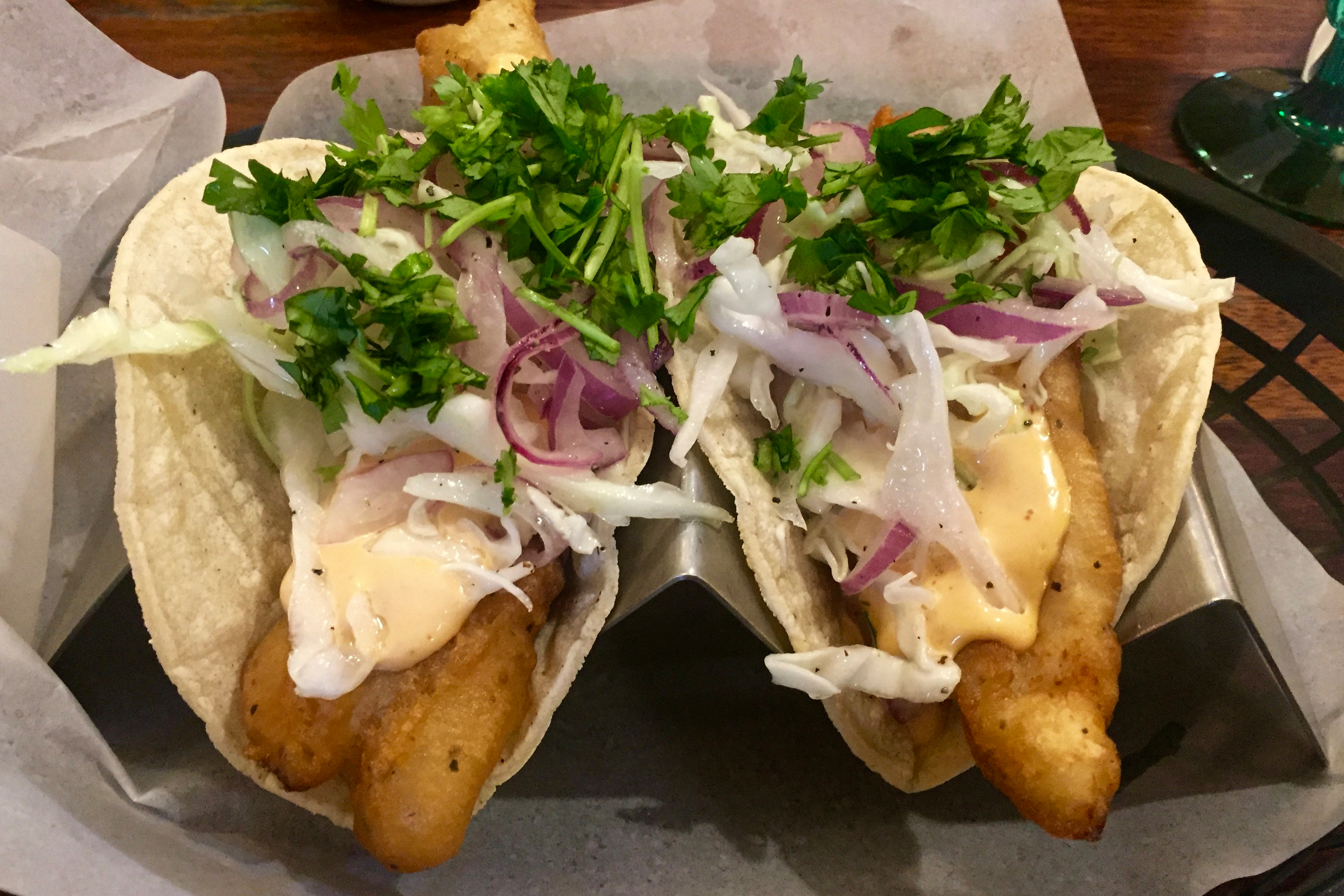
Araujos’ Mexican street style fish tacos are topped with onions and cilantro and served in a flour tortilla.
If you’ve ever been to the Venice Beach Boardwalk in L.A., perhaps you lined up by the towering “fish tacos $2” sign to find out if it’s worth the wait. One bite into the crisp and lightly battered fish, and you wonder where this taco’s been all your life.
Sadly, it’s been a minute since I’ve been to sunny California, but I still think about that taco all the time (does anyone else do that or is it just me?) Fortunately, I’ve found its twin, right here in Jefferson Park. Araujos Mexican Restaurant is frequented for its breakfast burritos (a flour tortilla stuffed with meat, potatoes, and scrambled eggs in a mild or hot chile sauce), but in the evening, has a killer happy hour from 3 to 7 p.m. Margaritas are two for the price of one, and those fish tacos I was talking about earlier? Get them on Wednesdays for $2 as well. Venice Beach, Jefferson Park. I couldn’t tell the difference.
Just about every sector of business is geared toward sustainability these days. Sustainable agriculture, energy and tourism are all a given, but sustainable fashion is just beginning to disrupt the traditionally wasteful mainstream fashion industry.
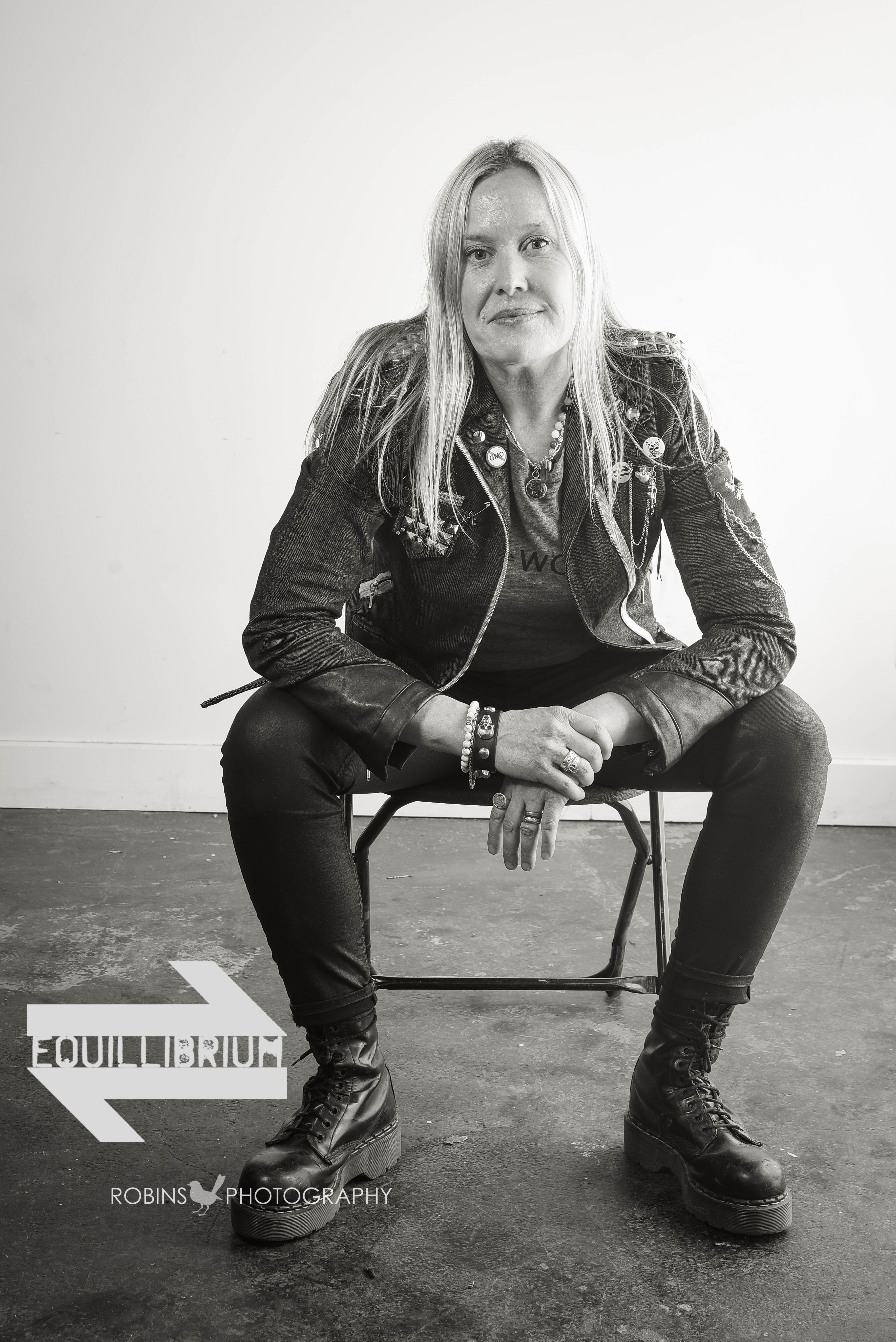
Denverite Deb Henriksen, owner and founder of the rocker-chic brand Equillibrium, is poised to keep moving the fashion industry’s momentum forward. Her mission is to educate others about their own consumerism while bringing her sense of style to life with responsibly sourced textiles and materials.
Henriksen owns a storefront, and creates and sells clothes made of sustainable textiles such as organic cotton, bamboo and hemp. The idea for Equillibrium was born in 1998, when Henriksen began to dream of having her own eco-friendly fashion boutique. In 2000, Equillibrium began as a wholesale brand that was carried in skate and snowboard shops around Denver and Breckenridge. She opened her first store in 2004 (now located on West Custer Place) and hasn’t stopped since.
Dhyana Kida was 12 years old when she first attended the Shambhala Sun Camp nestled in the picturesque mountains of Red Feather Lakes, Colorado. Her parents had gone when they were her age, her brother has also attended, and then it was finally her turn.
“I fell in love and went almost every year,” Kida, now 21, says. Her story is similar to most who go: they find themselves returning to camp year after year, eventually becoming staff members that guide the next batch of camp-goers.
The Shambhala Sun Camp is held in only three places in the world: Limousin, France; Nova Scotia, Canada; and our very own northern Colorado. Shambhala Buddhism, which is inspired by the principle that every human being has a fundamental nature of basic goodness, is a philosophy that influences the camp. It stems from Tibetan Buddhism, an ancient practice that spread rapidly in the 1950s after the Chinese takeover of Tibet caused the Tibetan Buddhist teachers to leave the country. Inspired by the Dalai Lama and his practices, campers of all faiths learn about its mindfulness, meditation and awareness practices and can cultivate his or her own being — without any technology present.







 clairelardizabal.com