My newest venture.
Hi, everyone!
I just wanted to let you all know where I’ve been writing nowadays.
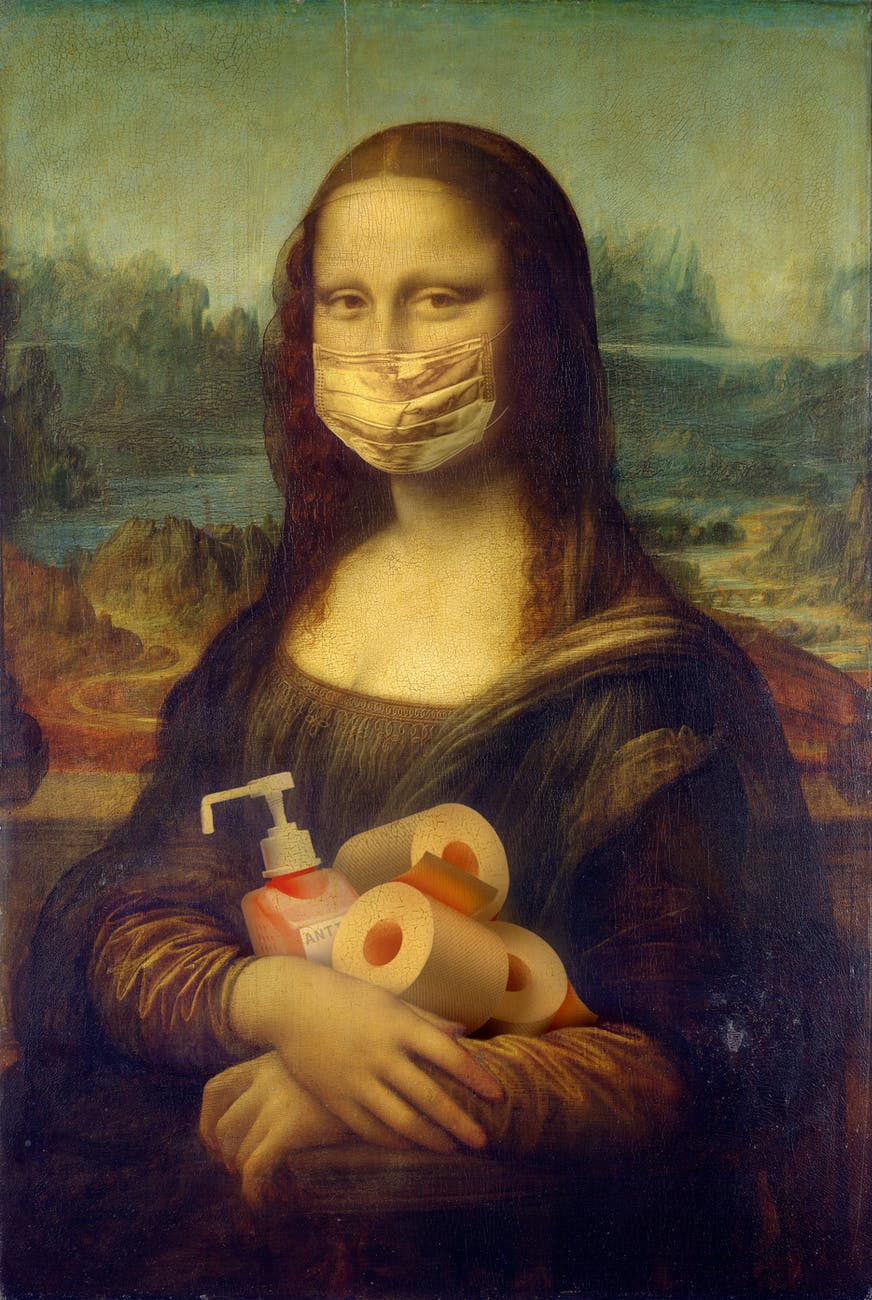
Since COVID-19, I began three different blogs in niche topics (crazy, but I wouldn’t have it any other way.)
I invite you to check them out! Here’s where you can find me.
1.) Mile-High Living: Coronavirus Edition
Last March, when I was alone and jobless, I began to journal what life during the ‘rona was like. Despite the restrictions, I was still able to dine out, travel, and adapt to my circumstances (as safe as possible, of course.) When the pandemic is over, I will be submitting this blog in print form to History Colorado to add to their archives.

I don’t know why I’ve waited so long to start a food blog, but here it is! I actually kicked off the @mtngirleats Instagram in 2020 and then created a real website a year later. This is where I’m eating in Colorado with a focus on Denver.

My latest project has been blogging for my first business ever: Mountain Girl Company! It has all the items you need for your first trip into the mountains. My online boutique encompasses everything I love such as community and sustainability, as well as helpful tips on what to do in Colorado.
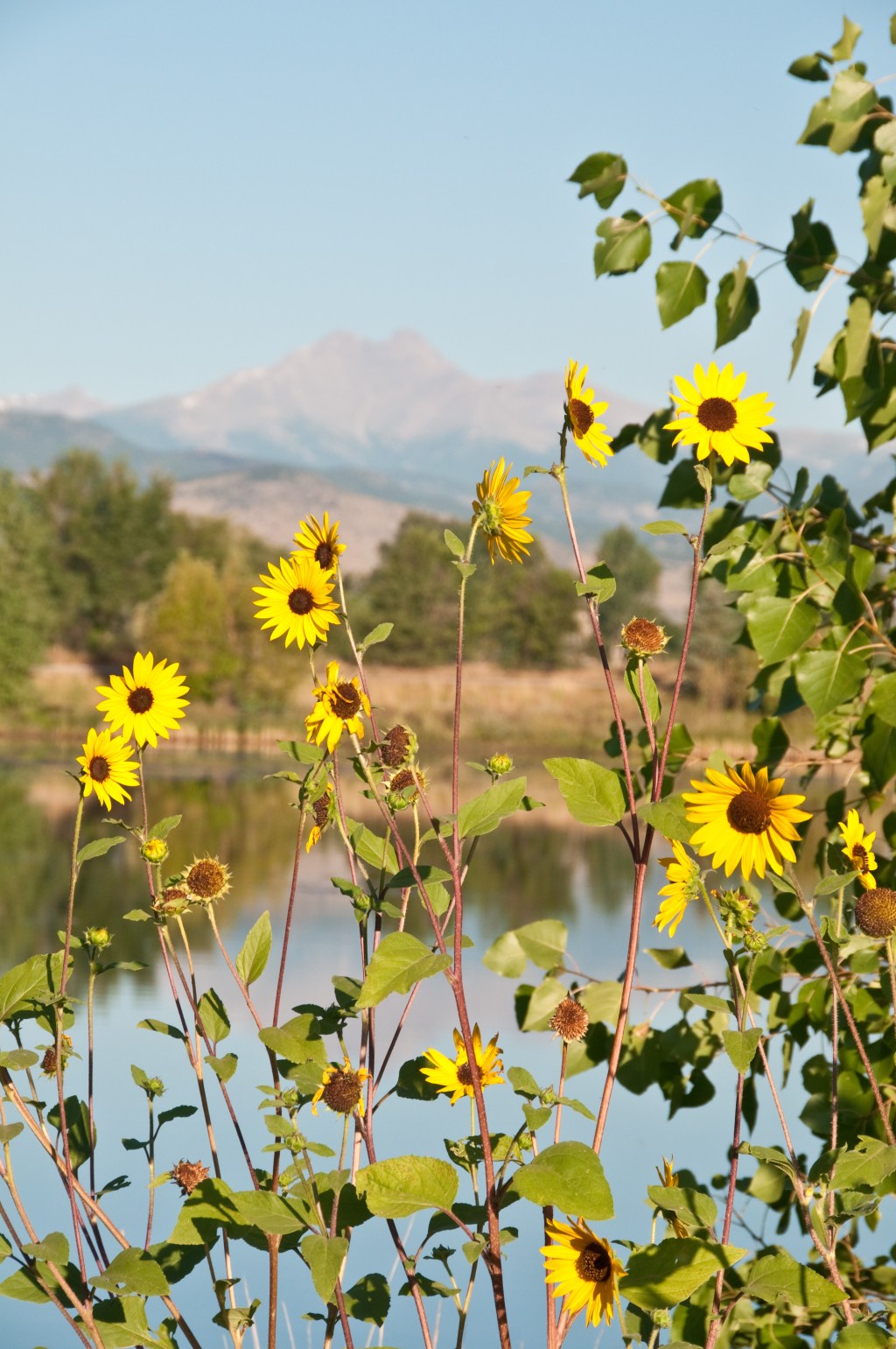
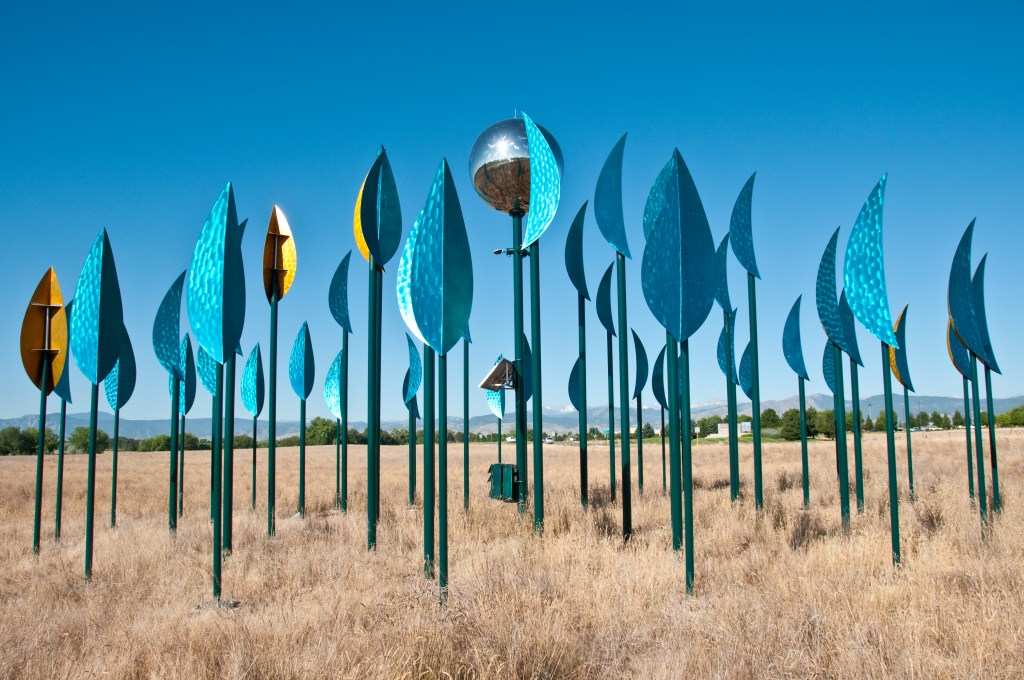
In the city of Longmont, residents have plenty of places to get outside and enjoy nature, including 41 parks containing a total of 2,242 acres.
“Longmont puts a lot of pride into the park system,” says Kathy Kron, Longmont Parks and Natural Resources senior project manager. “When it comes to having a variety of parks, we have neighborhood, nature and greenway parks.
“It’s a neat aspect because you can get lost in nature without having to leave town.”
And as long as you’re lost in nature, here are a few of the things you can do before you find your way back home:
Bird watching: It’s common to see osprey, bald eagles and a wide variety of hawks and other raptors. Many species of smaller birds such as chickadees, finches, blue jays, doves and woodpeckers are also common. Near evening or early morning be on the lookout for wild turkeys. And while harder to find, rare species such as the burrowing owl, which can be found near prairie dog colonies, do appear from time to time. When water is present, expect to see cormorants, American white pelicans, great blue herons, a wide variety of ducks and Canada geese.
Wildlife encounters: While most animals in Longmont are of the small and furry variety — rabbits, prairie dogs, weasels and the like — larger animals such as beaver, coyotes and deer are sometimes encountered. And if you venture west to Longmont’s Button Rock Preserve (west of Lyons), you’ll get the chance to see mountain lion and bear.
Art viewing: Some of Longmont’s parks have wonderful nature-inspired art. So why not take in a little culture on your next hike with art including these pieces:
“The Spirit of Longmont” This installation — created by Rafe Ropek in 2009 — can be spotted on southwest Diagonal Highway. The 48 leaves alternate from yellow to green to represent Longmont’s agricultural roots, while the sphere in the middle calls to the future.

“Dawson Silverwood” Located at Lake McIntosh, Steve Jensen’s aluminum sculpture, created in 2003, contains inscriptions by students about their hopes for the future.
“A Lady and a damsel” Built in 2019 by Amanda Willshire, this towering structure is made from recycled bike parts, an old Volkswagen hood, and golf clubs; 210 Ken Pratt Blvd., on the St. Vrain River Trail.
There’s plenty more where those came from, including all along the St. Vrain Greenway. But we know half the fun is when you discover such art on your own, so we’ll keep the list short.
So, now that you know what to do, let’s take a look at some of the great places to do them right in your back yard.
(more…)
Summer art camps are a great way for children and teens to unwind and channel creativity in a positive and encouraging environment. There are multiple options once school’s out of session, from throwing pottery on a wheel to learning to write fiction — there’s something for every artistic interest. We spoke to three experts about how their nontraditional summer art camps can create lasting and meaningful experiences.
This summer, Page Zekonis of Open Window Studios is hosting her third Art-Away Excursion. Teens will head to Santa Fe, New Mexico, to spend a week exploring art and learning from working artists.
“We see exhibits, contemporary and traditional, and get exposure to a wide range of how artists work,” Zekonis explains. “They gain experience by meeting a working artist in their studio and have a real dialogue about how an artist lives and creates. It’s an experiential kind of thing.”
On the trip, students will be given the opportunity to tour Georgia O’Keefe’s studio, take a private tour at Nedra Matteucci Gallery, and even spend an afternoon in the wild immersive art of Meow Wolf. And, of course, there’s daily time to make art, either on-site or back at the home studio.
Because it’s a small group (the trip is limited to eight students), Zekonis says students can bond and become a big, art-loving family.
“The environment becomes very safe, and they don’t feel judged,” Zekonis says. “It gives them permission to explore quirky ideas, hold each other up, and be honest with what they want to do.”
At Blossom Bilingual Preschool, director Marie-Pierre Nicoletti immerses young children in an authentic French learning environment using two unlikely tools — food and thread. A woman of many trades, Nicoletti studied cooking and sewing in France and has taught the French language for more than 20 years. Her students range from ages 3-7 and enjoy learning outdoors and in the kitchen.
“It feels very natural, they don’t question it,” Nicoletti says. Depending on what the theme of the week is (in the past, they have done forest, farm and fairy themes), students will have the chance to play and picnic outside and choose to participate in outdoor crafts or French cuisine in the kitchen.
“It makes the language apprenticeship more interesting and more engaging,” Nicoletti says. “It’s easier to remember if someone tells you in the language, ‘Pass the bread or flour.’
“It’s important to be exposed to a foreign language at any age. It doesn’t have to be French. It provides an opportunity for the brain to grow and connect and learn sounds that don’t belong to their native language and develop muscles in the mouth for pronunciation.”
For teens who want to take their literary skills to the next level this summer, the Boulder Writing Studio is the space for them. Carla Riccio, development director and writing instructor, leads workshops for aspiring novelists and nonfiction writers.
These afternoon sessions start with learning about each other’s writing styles and interests. Riccio makes sure to expose students to a variety of contemporary literature.
“I know they’re reading Heart of Darkness and The Great Gatsby in school; they should also be exposed to a hot new 20- or 30-something [year-old] author,” Riccio says. “It’s important to share with them what’s going on in that scene.”
Riccio shares works like Friday Black by Nana Kwame Adjei-Brenyah, In the Dream House: A Memoir by Carmen Maria Machado, and the late Lucia Berlin’s A Manual for Cleaning Women. During the workshop young writers develop their own ideas and let their imaginations run wild from there. After, they’ll do peer revisions, readings for family and friends, and learn about the submission process, even long after camp is over.
“We do treat them as bona fide emerging contemporary writers, so we give them the same respect and belief and tools as if we were running a MFA,” Riccio says. “They have the experience of what it’s like being an author, how to be a workshop participant, and give good feedback.
“We teach the language of supportive constructive feedback, which is usually a setting they won’t find themselves in until college. It’s a skill to learn, and it’s helpful creating that vibe that we’re a community of writing peers who support each other’s work.”
With so many options, it’s never been easier to nurture your child’s creative mind.
Written for Boulder Weekly, Special Edition: Kids Camps.

Five years ago…
I raised my hand to block the May sun’s glaring rays. Across the street from the train station, I saw a church, decorated in contrasting black stripes and rectangles, a remnant of the past that survived the Italian Renaissance.
Was I dreaming? Did I really make it?
There was a million mistakes I made on that trip that I swore not to repeat. This time, I would have lighter luggage. Working Internet. Close-toed shoes. Enough Italian words to get me by. Enough euros to get me by.
After I left Italy, despite how frustrating it had been at some times (or like, the entire time), I began to think about it daily. I was obsessed with the old country. I daydreamed about strolling down cobblestones through narrow alleyways. The church bell ringing at the strike of noon. The chocolate, metallic aroma of espresso, and the clink of a spoon as I stirred in my sugar. I missed it. I wanted it. And I promised myself I’d be back again.
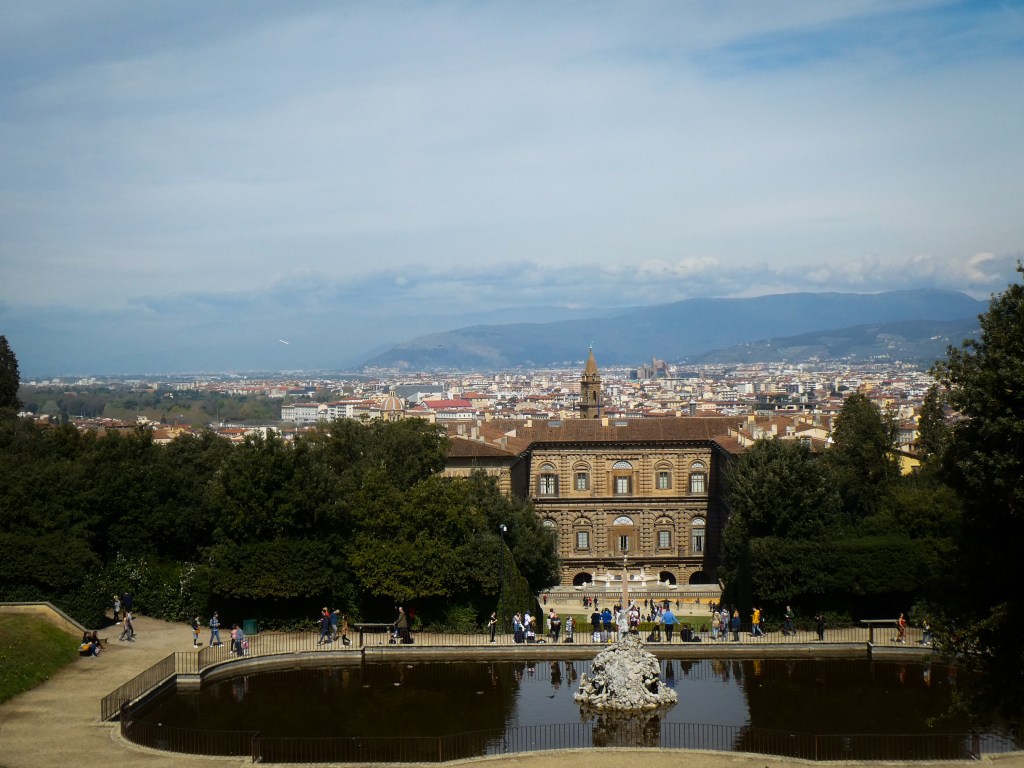
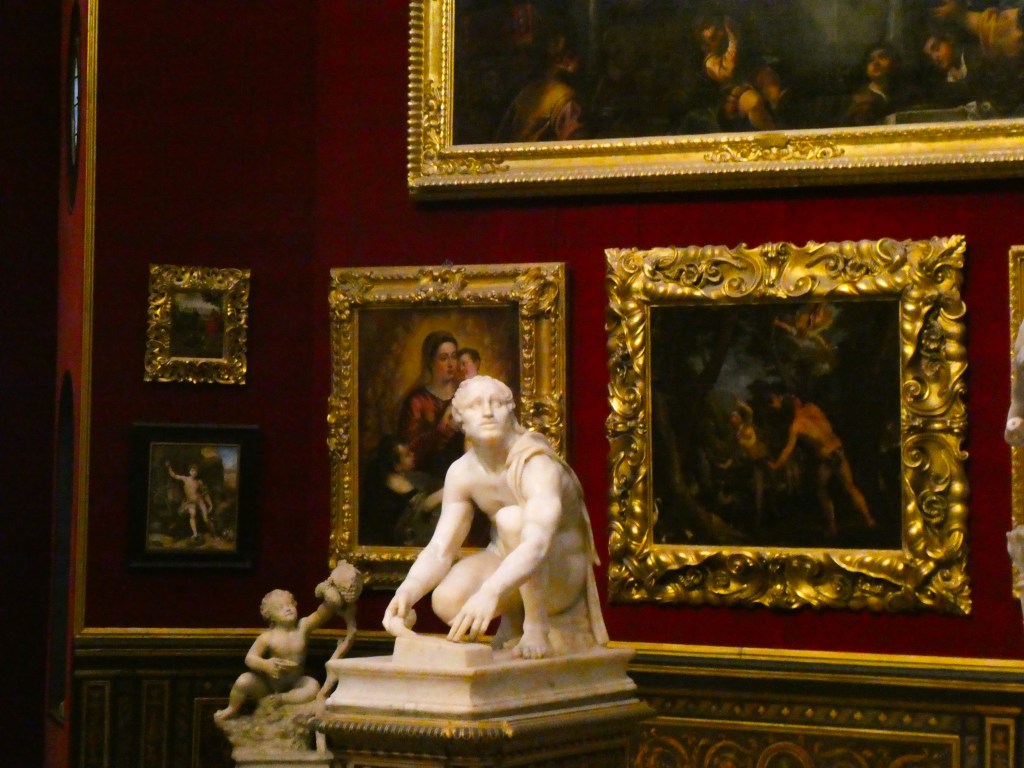
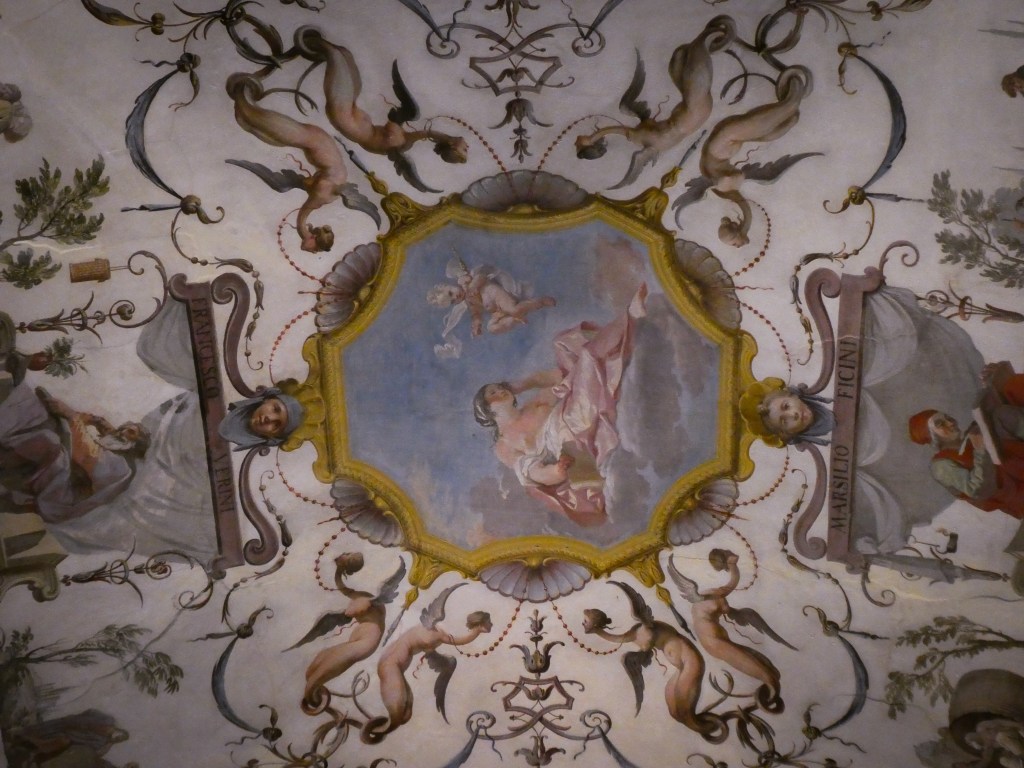
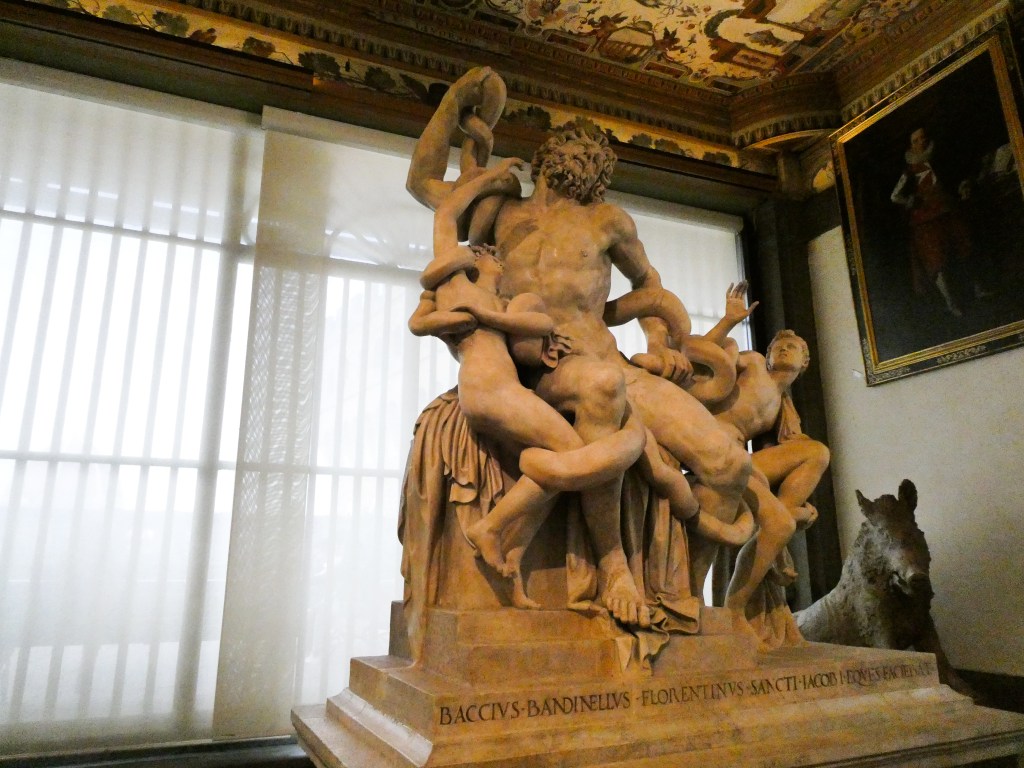
Coming out of Switzerland, the snow began to dissipate as we entered northern Italy. Wintery Swiss wonderland transitioned into a fairytale mountain paradise. There were waterfalls, there were palm trees, there were mountains that reached high above the clouds. We switched trains in Milan, and then to Florence, my home away from home, we went.
Italy is a country that’s stuck in time.
The Roman Empire and its gods forever captured in stone.
Roman Catholic power still towering over everything and everyone.
Hundreds-of-years-old castles and estates in the Tuscan distance.
Farmers making the same movements (but with improvements) that their ancestors did, producing meat and cheese and wine from the land and undergoing whatever means necessary that ensure that it’s perfect every. single. time.
Who needs a time machine when you can have Italy?
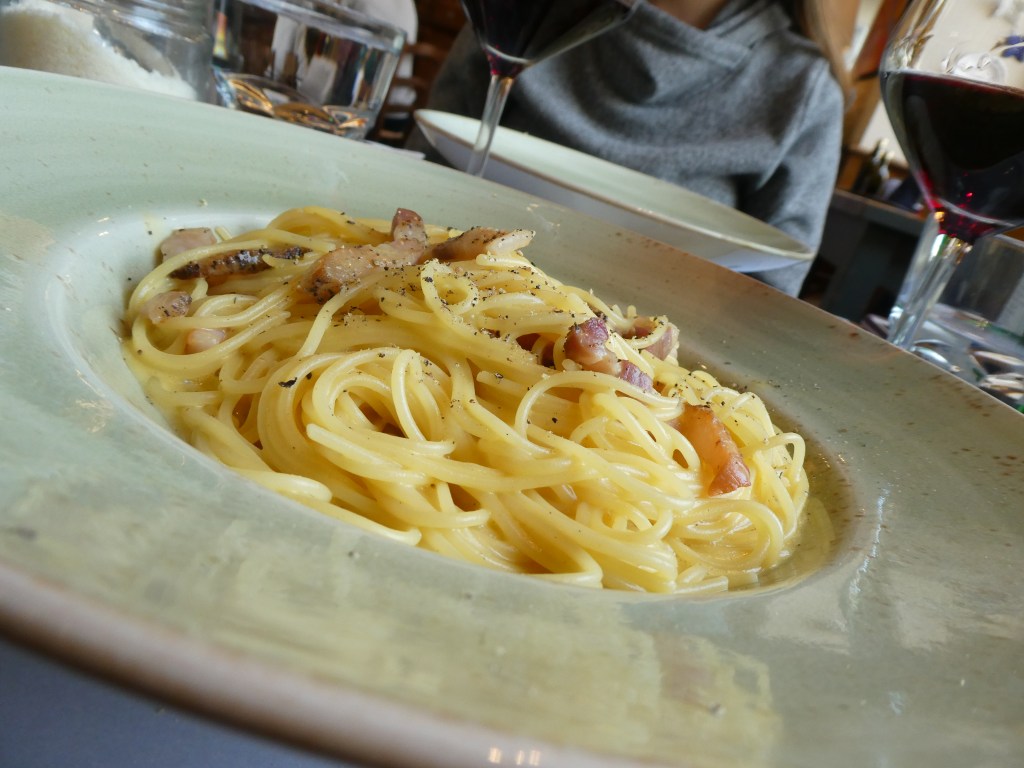
There’s a million reasons why this country’s special to me, but I think the two main reasons are it’s 1. where I found my appetite and 2. realized there was power in my words. I used to think I wasn’t a good writer, even though I’ve been writing stories since I was seven years old. I remember the first time I read my words out loud to my teacher and my classmates, feeling the weight lift off my shoulders as I spoke my truth. I remember biting into a piece of prosciutto and melon, the sweet and saltiness mingling in my mouth, and thinking, “Damn. This is actually really good” and not feel the self-loathing as I ate another then another. I ate and drank and wrote freely during my time there despite my demons. It was only right to return to the place I found my yellow brick road. Italy was the first place that I finally felt like I was in control.


And last, but not least:



 clairelardizabal.com